
ٿر ۾ جڏهن برساتون وسنديون آهن ته اميدون موٽي اينديون آهن، پر جڏهن اهي ناڪام ٿي وڃن ته سڄو خطو بحران ڏانهن وڌڻ لڳندو آهي. هن سال جُون جي پڄاڻيءَ تائين ڪا به خاطر خواه برسات نه پوڻ سبب ٿر جا ماڻهو پنهنجيون اميدون آهستي آهستي اجهامندي ڏسي رهيا آهن. مهينن جي محنت سان گڏ ڪيل بچت هاڻي بوجھ بڻجي چڪي آهي. ٻج اڌار تي خريد ڪيا ويا آهن، ٽريڪٽر بڪ ڪرايا ويا آهن، پر زمين اڃا تائين رڃ بڻيل خشڪ پئي آهي. ان سان گڏوگڏ مهانگائيءَ گهريلو ضرورتن جي شين جي قيمتن ۾ تيزيءَ سان اضافو ڪري ڇڏيو آهي، جنهن سان پهرين ئي مشڪل سال وڌيڪ ڪٺن ٿي ويو آهي.
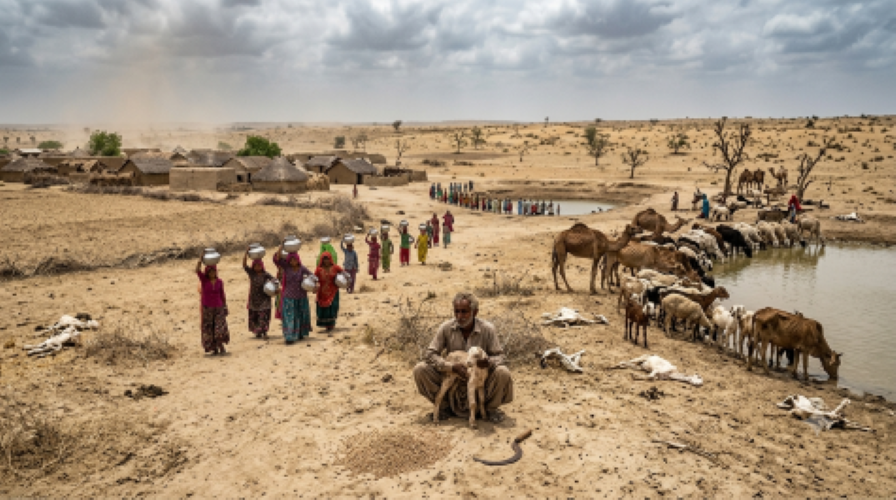
شيوارام سوٽھڙ
گهڻن پاڪستانين لاءِ چوماسي جي دير رڳو موسم جي هڪ تبديلي آهي. پر ٿر لاءِ هيءَ معاشي، سماجي ۽ انساني بحران جي شروعات آهي.
ٿرپارڪر ۾ ماڻهو وقت جو حساب ڪيلنڊر سان نه، پر برسات سان لڳائيندا آهن. هر سال چوماسو اهو طئہ ڪندو آهي ته ٻار اسڪول ويندا يا نه، مالوندن جو چوپايو مال زنده رهندو يا نه، ۽ مٿن چڙهيل قرض ادا ٿي سگهندا يا نه. جڏهن برساتون وسنديون آهن ته اميدون موٽي اينديون آهن، پر جڏهن اهي ناڪام ٿي وڃن ته سڄو خطو بحران ڏانهن وڌڻ لڳندو آهي. هن سال جُون جي پڄاڻيءَ تائين ڪا به خاطر خواه برسات نه پوڻ سبب ٿر جا ماڻهو پنهنجيون اميدون آهستي آهستي اجهامندي ڏسي رهيا آهن.
مئي مھيني جي آخر کان ئي خاندان پنهنجي وس پڄندي بچت ڪرڻ شروع ڪندا آهن. ڪجهه ماڻهو مال وڪڻي ڇڏيندا آهن ته ڪجهه وري پنهنجي روزاني جي پورهئي مان چند سئو رپيا ڌار ڪري رکندا آهن. هيءَ رقم ٻج، ٽريڪٽر ۽ پهرين وسڪاري سان ئي زمين تيار ڪرڻ لاءِ هوندي آهي. ٿر ۾ ٻني ٻارو مڪمل طور تي چوماسي جي برساتن تي منحصر آهي. ٽن کان چار سٺيون برساتون هڪ خاندان جو سڄو سال گذارو ڪرائي سگهن ٿيون، پر انهن کان سواءِ هر سيڙپ زيان ٿي ويندي آهي.
موسمياتي تبديلين نسلن کان هلندڙ برساتن جي روايتي نظام کي درهم برهم ڪري ڇڏيو آهي. عام طور تي ٿر ۾ جُون جي شروعات ۾ پهرين برسات ٿي ويندي آهي، جنهن کانپوءِ هاري ايندڙ برساتن جي غيريقيني صورتحال جي باوجود ڇٽ ڪري ڇڏيندا آهن. پر 2026 ۾ مونسون تقريباً هڪ مهينو دير جو شڪار آهي. ٿر ۾ بنا برسات جي هڪ مهينو سڄي سال جي روزيءَ جو نقصان بڻجي سگهي ٿو.
مهينن جي محنت سان گڏ ڪيل بچت هاڻي بوجھ بڻجي چڪي آهي. ٻج اڌار تي خريد ڪيا ويا آهن، ٽريڪٽر بڪ ڪرايا ويا آهن، پر زمين اڃا تائين رڃ بڻيل خشڪ پئي آهي. ان سان گڏوگڏ مهانگائيءَ گهريلو ضرورتن جي شين جي قيمتن ۾ تيزيءَ سان اضافو ڪري ڇڏيو آهي، جنهن سان پهرين ئي مشڪل سال وڌيڪ ڪٺن ٿي ويو آهي.
هر گذرندڙ ڏينهن غيريقينيءَ کي وڌيڪ گهرو ڪري رهيو آهي. بچتون ختم ٿي رهيون آهن، قرض وڌي رهيا آهن، ۽ ڪيترائي هاري هاڻي باقي بچيل ٿورڙا پئسا خرچ ڪرڻ جو حوصلو به نٿا رکن. ٻني ٻاري لاءِ رکيل رقم هاڻي کاڌي خوراڪ ۽ اوزارن/دوائن لاءِ محفوظ ڪئي پئي وڃي. ٿر جي 80 سيڪڙو کان وڌيڪ آباديءَ جو دارومدار سڌوسنئون باراني زراعت تي آهي. برسات نه پوي ته نه فصل ٿيندو، نه آمدني ٿيندي، ۽ نه ئي قرض لاهڻ جو ڪو رستو بچندو — جنهن سان خاندان قرض جي هڪ گهري ڦيري ۾ ڦاسي پوندا آهن.
ان جو نفسياتي اثر به گهٽ ناهي. هاري سڄي رات آسمان ڏانهن نهاريندي سمهي نٿا سگهن ۽ پنهنجن ٻارن جي ان سوال جو جواب نٿا ڏئي سگهن ته فصل ڪڏهن ڄمندا. ڊگهي غيريقينيءَ جي ذهني پيڙا سبب ڊپريشن، بيچيني ۽ ذهني دٻاءُ واريون بيماريون تيزيءَ سان عام ٿي رهيون آهن.
ڏڪار ماڻهن کي لڏپلاڻ تي به مجبور ڪري ڇڏيندو آهي. هر ڏڪار واري سال ۾ ڪيترا ئي خاندان، خاص ڪري ڀيل برادريءَ جا ماڻهو، روزگار جي تلاش ۾ عمرڪوٽ، ميرپورخاص، بدين ۽ سانگهڙ هليا ويندا آهن. ٻار اسڪول ڇڏي ڏيندا آهن، وسنديون ويرام ٿي وينديون آهن، ۽ ٿر جو منفرد ڪلچر ۽ روايتون آهستي آهستي مٽجڻ لڳنديون آهن.
برساتن جي ناڪامي مال متاع لاءِ به تباهه ڪن ثابت ٿيندي آهي، جيڪو زرعي زمين کانپوءِ هن خطي جو ٻيو قيمتي اثاثو آهي. چراگاهون ختم ٿيڻ ۽ چاري جي کوٽ سبب ٻڪريون، ڳئون ۽ اُٺ ڪمزور ٿي مرڻ لڳندا آهن. غريب خاندانن لاءِ چوپائي مال جو هڪ ننڍڙو ڌڻ وڃائي ويهڻ به سالن جي جمع پونجي ضائع ٿيڻ برابر هوندو آهي.
هن ٻوجھ کي شايد سڀ کان وڌيڪ عورتون کڻنديون آهن. پاتال جي پاڻيءَ جي سطح مسلسل ڪرندڙ هجڻ سبب کوهه پهرين جي ڀيٽ ۾ سئو پير وڌيڪ اونھا کوٽڻا پوندا آهن. عورتون روزانو ڪيترا ئي ڪلاڪ صحرائي اس ۾ ڊگها پنڌ ڪري پاڻي ڀري آڻڻ ۾ صرف ڪنديون آهن، جنهن سان سندن پهرين ئي ڪٺن زندگي وڌيڪ ڏکي ٿي ويندي آهي.
موسميات جا ماهر ان کي زرعي ڏڪار قرار ڏين ٿا. ٿر جا ماڻهو ان کي محض “قحط جو سال” (ڏڪار جو سال) چوندا آهن. موسمياتي تبديلين هڪ اهڙي بحران کي، جيڪو ڪڏهن ڪڏهن ايندو هو، هاڻي هڪ وڌندڙ حقيقت بڻائي ڇڏيو آهي. گهڻن پاڪستانين لاءِ چوماسي جي دير محض موسم جي تبديلي آهي، پر ٿر لاءِ هي معاشي تنگي، سماجي انتشار ۽ انساني مصيبتن جي شروعات آهي.
ٿر جو تحفظ صرف هنگامي امداد سان ممڪن ناهي. ان لاءِ موسمياتي تبديلين جي گهرجن مطابق زراعت، پاڻيءَ جي پائيدار انتظام، چوپائي مال جي تحفظ، سماجي تحفظ جي نظام ۽ اثرائتي ابتدائي وارننگ سسٽمز (Early Warning Systems) ۾ سيڙپ ضروري آهي.
سنڌ حڪومت کي انهن علائقن ۾ زرعي ٽيوب ويلن لاءِ سولا قرض متعارف ڪرائڻ تي به غور ڪرڻ گهرجي جتي پاتال جو پاڻي آبادگاريءَ لاءِ موزون آهي. هي ڪم سائنسي بنيادن تي پاتال جي پاڻيءَ جي جائزي، شمسي توانائيءَ (سولر سسٽم) سان هلندڙ پمپن ۽ ٽيڪنيڪل سهڪار سان ڪيو وڃڻ گهرجي.
چوماسي جي اڻ چتين برساتن تي انحصار گهٽ ڪرڻ سان خوراڪ جو تحفظ ٿيندو، معاشي حالتون بهتر ٿينديون ۽ ٿر جون برادريون ٻيهر وَر وَر ايندڙ ڏڪار جو وڌيڪ مضبوطيءَ سان مقابلو ڪري سگهنديون.
_________________
ليکڪ ٿر ۾ رھندڙ سماجي ڪارڪن آھي


Poor Understanding of Karbala: When Sacred History Turns into Judgment and Division
A reflective column on faith, society, and the consequences of intolerance
Karbala is not merely a historical event remembered in a particular month of the Islamic calendar. It represents a powerful moral lesson about conscience, justice, dignity, sacrifice, and standing for principles even in difficult times. Yet, despite its significance, many people today know Karbala only through narrow narratives, emotional slogans, inherited assumptions, or sectarian interpretations.
As a result, instead of learning compassion, accountability, and ethical responsibility during Muharram, some people become quick to declare others guilty, misguided, or even unbelievers simply because they express remembrance differently or hold different views.
This is where the true message of Karbala risks being lost.
Karbala Was Never Only About Identity—It Was About Principles
The events of Karbala have long been understood by many Muslims as carrying lessons beyond politics or group identity. They raise enduring questions:
– What should a person do when facing injustice?
– Is power always equal to truth?
– How should disagreement be handled?
– What does moral courage look like?
When these questions disappear and Karbala becomes only a tool to prove others wrong, the event loses its transformative purpose.
The Problem of Limited Knowledge
One of the major challenges in modern society is that many people speak confidently about Karbala without deeply studying its historical, ethical, and spiritual dimensions.
Information is often collected from short videos, emotional speeches, selective quotations, or social media debates rather than careful learning.
This limited understanding can produce a dangerous mindset:
“If someone commemorates Muharram differently, they must be wrong.”
“If someone disagrees with my interpretation, they must be against the truth.”
“If someone belongs to another school of thought, they should be condemned.”
Such thinking turns religious reflection into social hostility.
From Disagreement to Declaring Others Guilty
History repeatedly shows that societies become unstable when people begin to reduce complex religious and historical matters into simple labels.
Declaring people morally corrupt, accusing them without knowledge, or rushing to question their faith creates a culture of fear and division.
Differences in practice or interpretation do not automatically justify condemnation.
Religious disagreement has existed throughout history, but responsible scholarship traditionally emphasized humility, evidence, and caution before making serious judgments about others.
The Dangerous Habit of Calling Others “Kafir”
One of the most harmful outcomes of poor understanding is the habit of quickly labeling others as outside the faith.
Such language carries serious consequences.
Once people stop seeing others as fellow human beings deserving dignity and respect, harmful attitudes become easier to justify.
This pattern often develops gradually:
Ignorance → Assumption → Hostility → Dehumanization → Social Exclusion → Conflict
Not every disagreement becomes violence—but many forms of social and physical harm begin with the belief that another person no longer deserves understanding.
How This Becomes a Threat to People’s Lives
When religious identity becomes a tool for judgment rather than self-reflection, real damage follows:
– Families become divided.
– Communities lose trust.
– Young people become confused or disconnected.
– Public discussions become aggressive.
– Religious occasions become spaces of fear instead of reflection.
In extreme cases, hatred and reckless accusations can contribute to harassment, social isolation, and even threats to safety.
This is why responsible voices consistently encourage knowledge, patience, and respectful dialogue.
What Muharram Should Inspire
Muharram should not become a season for measuring who is more religious or who has the authority to judge others.
Its deeper lessons can encourage people to ask:
– Am I committed to justice?
– Do I speak responsibly?
– Can I disagree without hostility?
– Am I using religion to elevate character or to divide people?
These questions bring the spirit of reflection closer to everyday life.
A Message for the Younger Generation
Young people should be encouraged to:
– Study before forming strong opinions.
– Avoid reducing history to social media arguments.
– Respect differences in religious expression.
– Ask questions with sincerity.
– Value knowledge over emotional reaction.
Understanding Karbala should expand compassion, not narrow it.
Conclusion
Poor understanding of Karbala does not only weaken historical knowledge—it can weaken social harmony and human relationships.
If the lessons of Karbala are remembered only through blame and condemnation, society risks repeating patterns of division rather than learning from history.
The lasting legacy many people draw from Karbala is not the question of “Who should be condemned today?”
It is the question:
“How do we uphold justice, dignity, humility, and humanity in our own time?”
This artical is informative